Balance Is Not About Having More
It Is About Not Running Out When It Matters
Anyone who checks balances regularly understands something essential:
Stability is not created by excess. It is created by margin.
It is not how much you have on paper.
It is whether your system can absorb stress without collapsing.
This logic applies far beyond finance.
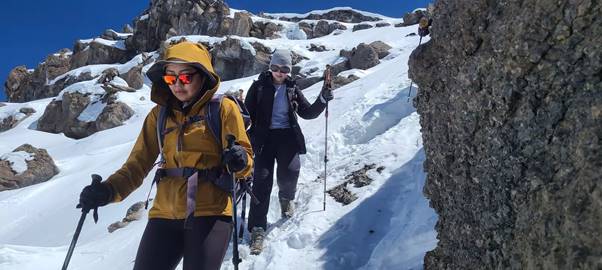
The body runs on balances too
Most people think physical challenges are about strength or motivation. In reality, they are about managing reserves:
- Hydration levels
- Nutritional intake
- Energy expenditure
- Recovery capacity
- Sleep debt
Ignore these balances, and failure is only a matter of time.
This becomes unmistakably clear on Mount Kilimanjaro.
Kilimanjaro is not a technical climb. People do not fail because they are weak. They fail because they mismanage their internal balances. They withdraw too fast, replenish too late, or assume tomorrow will cover today’s deficit.
Altitude is unforgiving to poor accounting.
Why good operators focus on inputs, not bravado
On Kilimanjaro, success depends on maintaining equilibrium day after day. Hydration before thirst. Food even when appetite drops. Rest before exhaustion.
This is why experienced teams like Team Kilimanjaro put such emphasis on meals, pacing, and sleep. Not because these things look impressive, but because they protect the balance sheet.
A body in deficit cannot perform.
A system without reserves cannot recover.
This lesson transfers cleanly to everyday life.
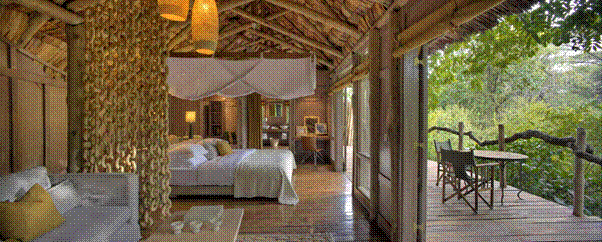
Do not close the account too early
Many travellers complete the climb and immediately leave Tanzania. That is like closing an account the moment it becomes profitable.
After discipline comes perspective.
Tanzania’s northern safari circuit offers a different kind of balance lesson. Not expenditure, but observation. Not output, but appreciation.
The Serengeti, Ngorongoro Crater, and Tarangire National Park are living examples of sustainable systems. Energy flows. Waste is minimal. Nothing is hoarded. Nothing is rushed.
This is why Team Kilimanjaro Safaris works exclusively in the northern circuit. These ecosystems demonstrate long-term balance, not short-term extraction.
What real balance looks like
In finance, balance is not about zero effort. It is about controlled movement.
The same is true of health and travel.
Climbing Kilimanjaro teaches restraint, discipline, and reserve management.
Safari teaches patience, attention, and respect for systems that endure.
Together, they remind us of a simple principle that applies everywhere:
If you want stability tomorrow, you must protect your balance today.
Whether you are managing money, health, or time, the rule holds.
The strongest systems are not the loudest or fastest.
They are the ones that never quietly run dry.