How the LTO Portal Is Changing the Way Filipinos Handle Driver and Vehicle Transactions
For many Filipinos, dealing with driver’s licenses and vehicle registration used to be a stressful ritual. Long lines that started before sunrise, multiple return visits, missing documents, and the uncomfortable presence of fixers were almost expected parts of the experience. People would file leave from work just to spend an entire day at an office, hoping everything went right on the first try.
That reality is slowly changing. The LTO Portal has quietly transformed how drivers and vehicle owners handle their transactions. It hasn’t been perfect, and it still frustrates users at times, but it represents one of the biggest shifts in how transport services work in the Philippines. This article explores how the LTO Portal is changing daily experiences, why the old system needed fixing, and what this digital shift really means for ordinary Filipinos.
What Is the LTO Portal?
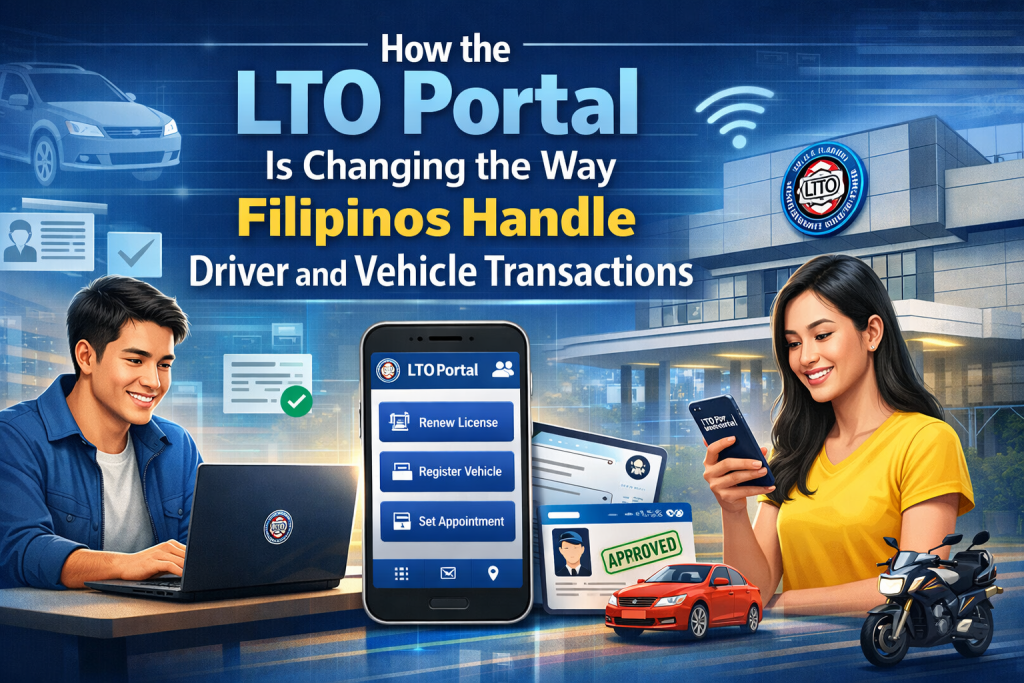
LTO Portal is an online platform designed to allow drivers and vehicle owners to process transactions digitally instead of relying entirely on walk-in services. Through the portal, users can create an account, book appointments, complete forms, pay fees, and track transaction status without physically lining up for every step.
Instead of paperwork moving from one desk to another, the system centralizes information under a single account. A driver’s license, vehicle records, and transaction history are stored digitally, making repeat visits faster and less confusing. For many users, it feels like the first time the system is actually built around their time, not just office procedures.
Understanding the Role of the Land Transportation Office
The Land Transportation Office has always played a critical role in public safety and mobility. It regulates drivers, vehicles, and transport compliance to ensure roads are safer for everyone. That responsibility hasn’t changed. What has changed is how those responsibilities are carried out.
Before digitization, the office relied heavily on manual verification, paper records, and face-to-face transactions. This made the system vulnerable to delays, errors, and abuse. The move to an online portal signals a shift from enforcement-only operations to service-oriented governance, where efficiency and accessibility matter just as much as compliance.
Why the Old LTO System Needed Change
The old system was functional, but only in theory. In practice, it created barriers. Queues stretched for hours. A missing photocopy could ruin an entire day. Records were sometimes misplaced, and correcting errors meant starting all over again.
Worse, the environment unintentionally encouraged fixers. When legal processes felt slow and unpredictable, people looked for shortcuts. Not because they wanted to break the law, but because the system made honesty expensive in terms of time and energy. The LTO Portal didn’t just modernize paperwork. It addressed a culture problem that had been growing for years.
ltfrb certificate of public Convenience
For public transport operators, securing a certificate of public convenience has always been one of the most sensitive and time-consuming requirements. While the LTO Portal does not fully replace regulatory approvals from transport authorities, it plays a supporting role by organizing vehicle records, registrations, and compliance data in one place.
This integration reduces duplication of documents and helps operators prepare more complete submissions. While the process still involves multiple agencies, digital records minimize back-and-forth delays and reduce the risk of inconsistent information.
Key Services Available on the LTO Portal
The LTO Portal covers a wide range of services that used to require multiple in-person visits. These include driver’s license applications and renewals, vehicle registration transactions, appointment scheduling, digital fee payments, and access to personal records.
One of the most appreciated features is appointment booking. Knowing your schedule in advance changes the entire experience. Instead of waiting all day, users arrive with purpose, documents ready, and expectations set.
Step-by-Step: How the LTO Portal Works
Using the LTO Portal starts with creating an account. Users provide basic personal information and verify their identity. Once logged in, they can choose the transaction they need, upload required documents, and schedule an appointment if physical presence is required.
Payments can be completed online, reducing the need to handle cash on-site. The portal also allows users to track progress, which removes the anxiety of not knowing whether a transaction is moving forward or stuck somewhere behind a counter.
How the LTO Portal Is Changing Driver Transactions
For drivers, the biggest change is predictability. License renewals no longer feel like a gamble. You know what documents you need, when to show up, and how long it should take.
The digital record also reduces disputes. Mistakes still happen, but correcting them is easier when your information is centralized. Drivers feel more in control, and that sense of ownership encourages better compliance rather than avoidance.
how many hours may a temporary operators permit be used as a temporary drivers license
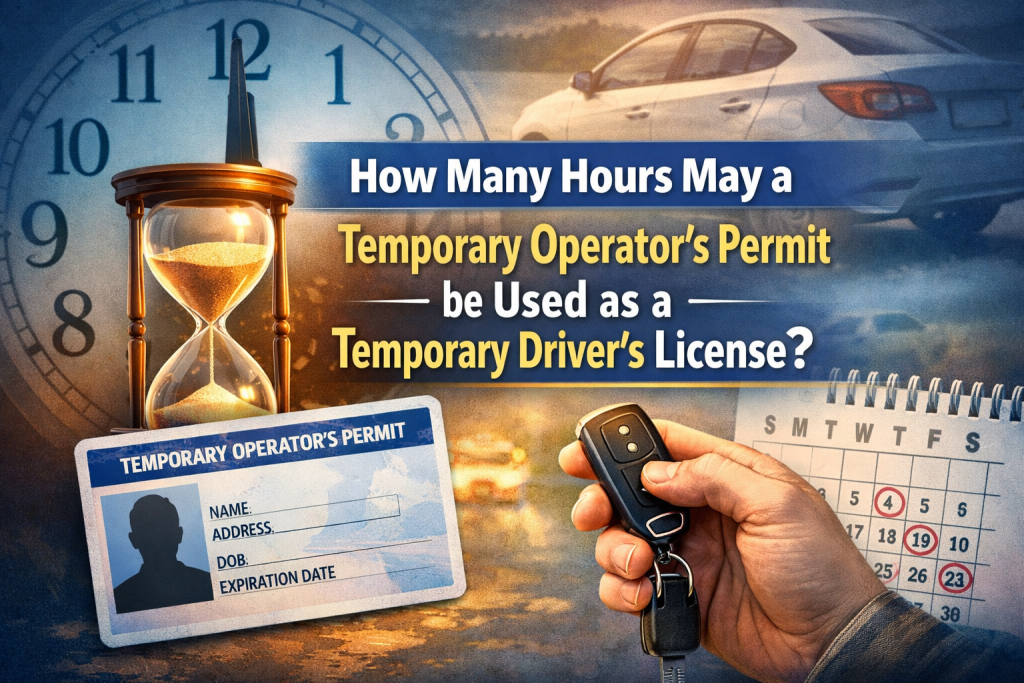
This question often causes confusion, especially among professional drivers. A temporary operator’s permit may be used only within specific time limits defined by regulation and under certain conditions. The LTO Portal helps clarify these details by displaying permit validity and related license status digitally.
Instead of relying on verbal explanations or assumptions, drivers can check their records directly. This reduces unintentional violations and the stress of uncertainty during inspections.
How the LTO Portal Is Improving Vehicle Transactions
Vehicle owners benefit just as much as drivers. Registration renewals, ownership transfers, and record verification are now more organized. Digital histories reduce disputes during resale and simplify compliance checks.
For families with multiple vehicles, managing records through a single portal account saves time and mental energy. It may seem like a small convenience, but over years of ownership, it adds up.
Reduction of Long Lines and Waiting Times
One of the most visible changes is shorter lines. They haven’t disappeared entirely, but they are more manageable. Appointments spread traffic throughout the day, preventing early-morning crowding and chaos.
People no longer feel forced to arrive before sunrise just to secure a spot. That alone has changed how citizens perceive government service.
Transparency and Anti-Fixer Impact
Transparency is perhaps the portal’s most powerful feature. When steps are clearly defined and progress is visible, fixers lose their advantage. There is less mystery to exploit.
This doesn’t eliminate corruption overnight, but it weakens the conditions that allow it to thrive. When systems are clear and fair, people are more willing to follow the rules.
Benefits for Filipino Drivers and Vehicle Owners
The benefits go beyond convenience. Time saved means fewer lost wages. Clear processes reduce stress. Digital records improve accountability.
For overseas workers managing vehicles back home, the portal offers remote access that was previously impossible. For senior citizens, fewer physical visits mean less strain. These are real quality-of-life improvements.
Challenges and Limitations of the LTO Portal
The system isn’t perfect. Technical issues still occur. Some users struggle with registration or login. Internet access remains uneven across regions.
There is also a learning curve. Not everyone is comfortable with online systems, and assistance is still needed for first-time users. A digital system must always be paired with patient human support.
How the LTO Portal Supports Government Digital Transformation
The portal is part of a broader shift toward digital governance. It shows that large public systems can modernize without losing accountability.
By collecting accurate data and reducing manual handling, the government gains better insights into transport patterns, compliance rates, and service gaps. This data can inform smarter policies in the future.
Tips to Use the LTO Portal Faster and Smarter
Create your account early, even if you don’t need a transaction yet. Keep digital copies of documents ready. Double-check details before submission to avoid delays.
Schedule appointments during off-peak hours when possible. And don’t rush the process. A few extra minutes online can save hours on-site.
Future Improvements Expected in the LTO Portal
Users can expect smoother integrations, faster processing, and expanded services. As feedback grows, the system will likely become more intuitive.
The long-term goal is a fully connected transport ecosystem where compliance feels natural, not forced.
Frequently Asked Questions (FAQs)
Is the LTO Portal mandatory?
Some transactions require portal registration, especially those involving appointments.
Is the system safe to use?
Personal data is protected through digital security measures, though users should still practice basic online safety.
Can all transactions be completed online?
Not all. Some still require physical presence for verification or exams.
What if I experience technical issues?
Support channels and on-site assistance are available to help resolve common problems.
Conclusion
The LTO Portal is not just a website. It represents a shift in how Filipinos experience government service. It acknowledges that people’s time matters and that systems should work with citizens, not against them.
While challenges remain, the direction is clear. Fewer lines, greater transparency, and a more respectful process are slowly becoming the norm. The transformation isn’t instant, but for many drivers and vehicle owners, it already feels like progress worth waiting for.